
June 5th in Canton — First Friday, Summer Bash, and What We Can We Shall Is Building This Summer
Some days just feel like a statement.
June 5th is one of those days for We Can We Shall.
Starting at 5PM we will be at Centennial Plaza at 330 Court Ave NW for First Friday Canton. Our tent opens, our team shows up, and we spend the evening being exactly what we committed to being when we launched in January — a consistent, visible presence in the heart of Canton for the youth and families in this community.
Then at 9PM the Summer Bash kicks off at 1726 Cleveland Ave NW. Free entry. Music. Energy. A community coming together in a way that Canton's young people deserve to experience all summer long.
Two events. One night. One message.
We are here. We are not going anywhere. And this summer we are just getting started.
Why First Friday Every Month
When We Can We Shall made the commitment to show up at First Friday Canton every single month it was not a marketing decision. It was a values decision.
Consistency is the most important thing an organization can offer a community that has experienced too many people and too many programs showing up once and disappearing. One appearance is a moment. Two appearances is a pattern. Twelve appearances across a year is a relationship.
First Friday draws thousands of people to downtown Canton every month. Families, young people, community members who are already there enjoying their city. We Can We Shall does not need to create an audience. We just need to show up in the middle of the one that already exists and be present in a way that is genuine, consistent, and without agenda.
Every month we set up our tent. Every month we meet new families. Every month more young people in Canton see the same faces showing up for them in the same place. That accumulation of presence is how trust gets built. Not overnight. Not in a single dramatic moment. Month after month after month until showing up is just what We Can We Shall does.
That is what June 5th at Centennial Plaza represents. Not just another event. The second data point in a pattern that we intend to make undeniable over the course of this year.
Why the Summer Bash
The Summer Bash came from a simple observation.
Summer is the hardest season for Canton's youth. School structures disappear. Programs end. The calendar empties out right when young people have the most unstructured time on their hands and the least amount of organized community around them.
Research on summer and youth development is consistent and sobering. Young people in under-resourced communities experience the widest negative outcomes during summer months when positive structured alternatives are absent. Not because of who they are. Because of what fills the space when nothing intentional is created for them.
We Can We Shall is creating something intentional.
The Summer Bash on June 5th at 1726 Cleveland Ave NW is free entry. That is non-negotiable and it is not accidental. One of the biggest barriers to community engagement in Canton is cost. Events that require tickets or any kind of financial commitment immediately exclude the families who need connection the most. We Can We Shall events will always be free because belonging should never have a price tag.
The Summer Bash is music and energy and community. It is Canton's young people having somewhere to be on a Friday night that was built specifically for them. It is families coming out together to a space where they feel welcomed without being managed or assessed or asked to prove they deserve to be there.
It is We Can We Shall doing what we said we would do. Creating moments worth showing up for. Consistently. All summer long.
What Two Events on the Same Night Actually Means
June 5th is not just a busy day on the calendar. It is a demonstration of what We Can We Shall is committed to building in Canton this summer.
First Friday at 5PM means we show up for the families who come out early. The parents with younger kids. The community members who want to learn about the organization. The potential volunteers and partners who have been following along and want to see us in person for the first time.
The Summer Bash at 9PM means we show up for the teenagers. The young people who come alive later in the evening. The ones who need somewhere to go and something to look forward to when the sun goes down on a Friday in June.
Two different times. Two different audiences. Both of them Canton. Both of them deserving of an organization that thought about them specifically and showed up accordingly.
Who We Are Looking For on June 5th
If you have been following We Can We Shall since we launched in March and you have been wondering how to get more involved June 5th is a great place to start.
Come to First Friday at Centennial Plaza at 5PM and introduce yourself to the team. Ask about volunteering. Ask about our back to school fundraiser. Ask about what is coming up this summer.
Come to the Summer Bash at 1726 Cleveland Ave NW at 9PM and bring young people with you. Bring teenagers who need somewhere to be. Bring families who have been looking for a community that sees them. Bring anyone in your life who needs a reminder that Canton is a city worth investing in.
And if you cannot make it June 5th follow us at wecanweshall.org and come find us at First Friday every month all summer long.
What the Rest of Summer Looks Like
June 5th is the beginning of something We Can We Shall is building intentionally across the entire summer of 2026.
First Friday every month at Centennial Plaza starting at 5PM. Back to school programming leading into August. A growing resource guide for Canton families covering free summer activities, food assistance, housing support, and financial help. Volunteer opportunities for community members who want to be part of the work. Partnerships with Canton organizations who share the mission of investing in this community's youth.
Every month we show up. Every event we create is free. Every resource we build is available to every Canton family that needs it.
Because the young people in this city deserve a summer worth remembering. And the families raising them deserve a community that shows up all summer long not just in September when school starts and the cameras come out.
We Can We Shall is here. June 5th and every Friday after it.
We can. We shall.
The Age Nobody Shows Up For — And Why We Can We Shall Does
Ask anyone who works in youth development long enough and they will tell you the same thing.
The hardest age to serve is also the age that needs the most support.
Somewhere around 13 or 14 the dynamic shifts. The cute factor disappears. The behavior gets harder. The needs get more complicated. The willingness to engage with adults becomes more guarded because life has already taught these young people to be careful about who they trust.
And right at that moment — the moment when a young person needs consistent, patient, invested support more than almost any other time in their development — the programs dry up. The adults move on. The patience wears thin. The funding follows the five year olds because five year olds are easier and the outcomes are faster and the photos are cuter.
This is one of the most significant structural failures in how communities support their youth. And it is almost entirely invisible because nobody wants to talk about the gap.
Why Adolescence Is the Most Critical Window
The research on adolescent brain development is unambiguous. The years between 12 and 21 represent one of the most significant periods of neurological development in a human life. The prefrontal cortex — the part of the brain responsible for decision making, impulse control, and long term thinking — is still actively developing throughout the teenage years and into early adulthood.
This means that the experiences, relationships, and environments a young person encounters during this window have an outsized impact on who they become. The beliefs they form about themselves. The patterns they establish around how they engage with the world. The decisions they make about their future.
It also means that a young person who goes through this window without consistent adult support, without positive community connection, without anyone showing up reliably and saying you matter and I am not going anywhere — that young person is navigating one of the most critical developmental periods of their life essentially alone.
The consequences of that are not theoretical. They show up in dropout rates, in involvement with the justice system, in cycles of poverty that replicate themselves across generations. Not because those young people lacked potential. Because nobody showed up during the window when showing up would have mattered most.
The Age Gap in Youth Programming
Walk into almost any community and map the youth programs available at different ages.
For children under 12 the landscape is relatively rich. Early childhood education, after school programs, youth sports, mentoring initiatives, summer camps. The infrastructure of support for young children in most communities is significantly more developed than for teenagers.
For young people between 13 and 21 the picture looks very different. Programs often end at 12. Organizations that serve this age group are fewer, less funded, and face more systemic barriers. The young people themselves are harder to engage because they have already learned to be skeptical of adults who show up once and disappear.
This is the gap We Can We Shall was built to fill. Not because it is the easiest gap to fill. Because it is the most important one.
What Showing Up for Teenagers Actually Looks Like
Serving teenagers is different from serving young children. It requires a different kind of patience. A different approach. A willingness to be present without an immediate return on the investment.
A five year old will engage enthusiastically with almost any adult who shows up with energy and kindness. A fifteen year old who has been let down repeatedly by the adults in their life is going to test you. Push you. See whether you actually stay or whether you are just another person who was there for a minute and then left.
The only answer to that test is consistency. Showing up again and again and again until the young person believes — really believes, not just hopes — that you are not going anywhere.
That is what We Can We Shall is committed to. Not a one time event. Not a program that runs for a semester and ends. Consistent presence in Canton's community, at First Friday every month, at events throughout the year, at the spaces where teenagers actually are — until the young people in this city know that We Can We Shall shows up and does not stop.
Summer Is Here — And We Are Showing Up
Summer is when the support gap is most visible and most consequential. School structures disappear. Programs that ran during the year end. Young people — especially teenagers — are left with unstructured time, limited resources, and in many cases nowhere structured to be.
We Can We Shall has summer events and resources listed on our website specifically for Canton's youth and families. Free activities, community events, resource guides, and programming designed for the age group that needs it most.
Visit wecanweshall.org to see everything available this summer and share it with every family in Canton who deserves to know about it.
Because the teenagers in this city are not a problem to manage. They are a generation worth showing up for.
And We Can We Shall is not going anywhere.
Why Back to School Season Is the Hardest Time of Year for Canton Families — And How You Can Help
For most people back to school season feels like a fresh start.
New notebooks. A clean backpack. The optimism of a year that has not started yet. For families with the resources to make it happen that feeling is real and it matters.
But for a lot of Canton families back to school season feels like something else entirely. It feels like a bill that cannot be paid. A list of supplies that keeps getting longer. The quiet shame of a child who notices what everyone else has and what they are missing.
In Canton, Ohio where over 51 percent of children live in poverty that experience is not the exception. It is the norm. And We Can We Shall is doing something about it.
What We Are Raising For
Our Back to School fundraiser exists for one reason. Every child in Canton deserves to walk into the first day of school feeling ready. Not anxious about what they do not have. Not distracted by what they are missing. Ready. Confident. Like they belong there.
That feeling does not happen by accident. It happens when someone makes sure a child has what they need before the bell rings.
Every dollar raised through this campaign goes directly toward school supplies, backpacks, clothing, hygiene essentials, and back to school experiences for Canton's youth. No overhead. No administrative costs taking a cut. Direct impact for the kids who need it most.
Why the First Day Matters More Than We Think
Research on early school experiences is consistent and clear. The conditions a child starts the school year in shape how they engage with learning for the rest of it.
A child who walks in confident and prepared engages more. Asks more questions. Takes more risks. Believes more readily that they belong in that room and that the future the teacher is describing actually applies to them.
A child who walks in aware of what they are missing — the backpack that is not new, the supplies that are not complete, the clothing that does not match what everyone else is wearing — carries that awareness with them. It takes up cognitive and emotional space that should be occupied by learning.
The first day of school is not just a tradition. It is a signal that a child receives about where they stand. We Can We Shall exists to make sure every child in Canton receives the right signal.
How You Can Help
There are several ways to be part of this campaign.
Donate online at wecanweshall.org. Every amount makes a difference. Twenty five dollars covers school supplies for one child. Fifty covers hygiene essentials and supplies together. One hundred dollars fully funds one child's complete back to school experience.
Donate supplies directly. Backpacks, school supplies, clothing, and gift cards are all needed and all go directly to the children we serve.
Share this campaign. The reach of this fundraiser is limited only by how many people know about it. Share this post, this page, and this link with everyone in your network who cares about Canton's kids.
We Can. We Shall.
We Can We Shall launched in Canton in January 2026 with a promise to show up for the city's youth consistently and with intention. This Back to School fundraiser is one of the most direct expressions of that promise.
Every child in Canton deserves a strong start to the school year. Help us give them one.
Donate at wecanweshall.org. Share this with your community. And know that whatever you give goes directly to a child in Canton who needed someone to show up for them.
We can. We shall.
Canton Families — Every Resource You Need This Summer in One Place
Summer is supposed to feel like freedom.
For a lot of Canton families it feels like pressure instead. School is out which means childcare costs go up, meal programs disappear, and the question of what to do with kids who have nowhere structured to be becomes a daily logistical challenge on top of everything else already on a parent's plate.
At We Can We Shall we believe access to information is itself a form of support. Knowing what is available in your community, who to call, where to go, and what is actually free should not require hours of searching and dead ends. So we did the research and put everything in one place.
This is the We Can We Shall Canton Community Resource Guide. Free summer activities for kids, free meals, housing assistance, utility help, and financial resources — all local, all verified, all available to Canton families right now.
Free Summer Activities and Programs for Kids
One of the most common things We Can We Shall hears from Canton parents is that there is nothing for their kids to do. No program, no camp, no structured activity that does not come with a fee attached. That is not entirely true — but finding the free options requires knowing where to look.
EN-RICH-MENT Arts Education Center at 901 Market Ave N is one of Canton's best kept secrets. Completely free summer programming for ages 5 to 18 covering music, visual arts, dance, theater, media production, cooking, and more. No cost. No income requirement. Just show up and sign your child up.
TomTod Ideas runs 100 percent free summer day camps for students leaving 5th through 8th grade across Stark County. Community based exploration and positive youth development for the age group that is hardest to find programming for. Register at tomtodideas.org.
Canton Parks and Recreation operates multiple recreation centers across the city with free and low cost programming for youth throughout the summer. Sports, educational programming, summer camps, and mentoring available. Call 330-489-3015 or visit cantonohio.gov/parks for current schedules and locations.
The Stark County District Library at 715 Market Ave N offers free programming year round for every age including summer reading programs, STEAM activities, teen events, and free computer access. None of it costs a dollar and it is available to every family in Canton. Visit starklibrary.org for the full summer schedule.
First Friday Canton happens every first Friday of the month in downtown Canton. Free community event with live entertainment, local vendors, and family activities. We Can We Shall will be there every single month this year. cantonfirstfriday.com
Free Food Resources
Food insecurity does not take summers off. These are the resources Canton families can access right now.
Crossroads UMC Fresh Market at 603 Shorb Ave NW offers free fresh produce and groceries Tuesday through Friday from 11AM to 4PM. No questions asked. No paperwork. Just come and get what your family needs. cantoncrossroadsumc.org
The Summer Meals Program for Kids provides free meals for children under 18 at multiple sites across Canton when school is out. This program exists specifically because school meal programs disappear in summer and food insecurity spikes for families who relied on them. Contact Stark County Job and Family Services at 330-452-4661 or visit starkjfs.org for current site locations.
Refuge of Hope at 405 Third Street NE runs an emergency food pantry and provides hot meals for Canton residents in need. 330-453-1785. refugeofhope.org
The Stark County Hunger Task Force operates a network of over 30 food pantries throughout Stark County. Their emergency food pantry at the Goodwill Community Campus at 408 9th St SW is open Monday through Friday 9AM to 1PM. 330-455-6667. starkhunger.org
The Akron Canton Regional Foodbank connects families to food pantries, hot meal sites, and hunger relief programs across the entire region. Their agency map at akroncantonfoodbank.org lets you find the closest location to your address.
Canton Food Not Bombs serves a free vegetarian meal every Saturday at the corner of Walnut Ave and 6th St NE from 4 to 5:30PM through the summer. Toiletries and other essential items also available.
Housing and Shelter Assistance
For families navigating housing instability these are the resources available in Canton right now.
The YWCA Canton Rapid Re-Housing Program at 231 6th St NE provides emergency shelter and rehousing services for individuals and families. 330-453-7644. ywcacanton.org
Stark Metropolitan Housing Authority at 400 E Tuscarawas Street manages affordable housing options for low income families, elderly, and disabled individuals across Stark County. 330-454-8051. starkmha.org
Catholic Charities of Stark County at 832 McKinley Ave NW offers rental assistance, emergency housing support, and utility disconnection prevention for qualifying individuals. 330-491-0896. catholiccharitiesportageandstark.org
The Stark County Homeless Navigation Hotline at 330-452-4363 connects callers to shelters and housing programs for households experiencing homelessness. Available Monday through Friday 7AM to 5:30PM and Saturday 10AM to 2PM.
Utility and Financial Assistance
Summer utility bills spike. Air conditioning is not a luxury when Ohio summers hit. These resources exist to help.
The Stark County Community Action Agency HEAP Program at 1366 Market Ave N provides help with heating and cooling costs, home weatherization, and furnace and hot water tank repair or replacement. The summer cooling component of HEAP specifically helps families with air conditioning costs during extreme heat. 330-454-1676. Emergency HEAP Line 330-617-1055. sccaa.org
Catholic Charities Utility Disconnection Prevention helps qualifying Canton residents prevent utility shutoffs and covers basic material needs. 330-491-0896. catholiccharitiesportageandstark.org
Stark County Job and Family Services at 221 3rd Street SE handles food assistance, cash assistance, Medicaid, Medicare, emergency assistance, and non-emergency medical transportation for eligible residents. 330-452-4661. starkjfs.org
Stark Help Central at starkhelpcentral.com is the most comprehensive online directory of health and human services resources in Stark County. Search by need — food, housing, utilities, employment, mental health, and more. Everything in one searchable database.
And if you are ever unsure where to start — call or text 211. Available 24 hours a day, seven days a week, connecting Canton residents to the right resource for whatever they are navigating. oh211.org
Why We Built This
We Can We Shall is a youth focused organization. But we have never believed that supporting youth is separate from supporting the families raising them.
A child whose parent is one missed payment away from a utility shutoff is not in a position to thrive. A family that does not know free summer programs exist cannot access them. A parent who is spending their mental energy navigating food insecurity has less bandwidth for everything else their child needs.
Information is support. Access is support. Knowing you are not alone in what you are navigating is support.
This resource guide is our way of showing up for the whole picture. Not just the youth programs. Not just the events. The daily reality of what Canton families are navigating and the resources that exist right now to help.
Share this with every Canton family you know. Save it. Come back to it. And follow We Can We Shall at wecanweshall.org where we will keep updating it as new resources become available.
Because that is what showing up looks like.
We can. We shall.
responded: Family First — Why Supporting Families Is the Most Powerful Way to Invest in YouthFamily First — Why Supporting Families Is the Most Powerful Way to Invest in Youth
There is a version of youth work that treats young people as separate from everything around them.
It pulls them into a program, works on their skills, their mindset, their behavior, and then sends them back into the same environment they came from and wonders why the outcomes do not hold.
We Can We Shall does not operate that way. Because we have seen what actually works. And what actually works starts with the family.
The Research Is Clear
Decades of research in child development, psychology, and education point to the same conclusion over and over again.
The home environment is the single most influential factor in a young person's development. More than school quality. More than peer groups. More than any program or intervention. The stability of the home, the stress level of the caregivers inside it, the presence or absence of support around the family — these things shape what a young person believes about themselves, what they expect from the world, and what they believe is possible for their future.
A child raised in a household where the adults are overwhelmed, isolated, and running on empty absorbs that reality. Not because anyone intends for them to. Because children are extraordinarily perceptive and they feel everything happening around them whether anyone names it or not.
Conversely, a child raised in a household that has even a modest amount of support around it — community, resources, breathing room — has a fundamentally different developmental experience. They feel the stability even when it is imperfect. They have the emotional bandwidth to learn, to grow, to engage with the world with something other than survival energy.
This is not theoretical. This is what we see every single day in the work.
What Canton's Families Are Carrying
In Canton where over 51 percent of children live in poverty, the families raising those children are navigating a level of daily pressure that most people looking from the outside do not fully comprehend.
It is not just financial pressure, though that is real and relentless. It is the cumulative weight of making impossible decisions repeatedly. Which bill gets paid and which gets pushed. Whether to take the second job or stay present for the kids. How to give your child every opportunity when the opportunities require resources you do not have. How to show up fully as a parent when fully is not something you have left at the end of the day.
The parents carrying this weight are not failing. They are doing extraordinary things under extraordinarily difficult circumstances. What they are often missing is not effort or love or dedication. It is support. Community. The sense that they are not completely alone in what they are navigating.
That absence of support is what We Can We Shall exists to address. Not by swooping in with programs that treat families as problems to be managed. But by building the kind of community infrastructure that makes the weight more distributed. More survivable. More sustainable over time.
When Parents Are Supported Young People Feel It
This is the core of what we believe and why.
When a parent has breathing room, they have more presence for their child. When a family has community around it, the young person inside that family grows up with a different sense of what the world is and what their place in it could be. When the pressure is shared rather than carried alone, there is space. Space to grow. Space to rest. Space to be a kid instead of an emotional barometer for everything happening in the household.
The ripple effect of supporting a family is not always visible immediately. It does not always show up in a metric or a program outcome. But it shows up in the young person who comes to school with a little more capacity. In the teenager who has a stable enough home environment to actually hear what someone is trying to tell them. In the child who grows up knowing that their family was not invisible to the community around them.
These outcomes are real. They are significant. And they start not with a program for the young person but with support for the family behind them.
What Family First Actually Looks Like in Practice
At We Can We Shall family first is not a value on a page. It is a decision that shapes how we show up.
It looks like community events that welcome whole families, not just youth. Like resource lists that address what parents need to keep their households functioning. Like showing up at First Friday Canton not just to engage young people but to be a visible, consistent presence for the families those young people come from.
It looks like building partnerships with organizations that serve families directly so We Can We Shall can connect the people we serve to the full range of support available to them in Canton. Like treating every interaction with a parent or caregiver as just as important as every interaction with a young person.
It looks like understanding that you cannot invest in a child without investing in the environment that child goes home to. And that environment starts with the family.
The Bigger Picture
Canton is a city with real challenges and real resilience. The families here are not defined by their circumstances. They are defined by what they keep doing despite them.
What We Can We Shall is building is a community culture where those families do not have to keep doing it alone. Where showing up for each other is normal. Where the weight gets distributed across a village rather than sitting entirely on one parent's shoulders at midnight.
That culture does not happen by accident. It gets built one event, one partnership, one relationship at a time. By organizations that take seriously the idea that families are the foundation of everything. That when you strengthen the family you strengthen the child. And when you strengthen the child you strengthen the community they will one day help lead.
Family first.
That is not just what we believe. It is what the evidence says works. It is what the families of Canton deserve. And it is what We Can We Shall is here to build.
To Every Mother Figure Who Showed Up — Why Motherhood Is the Foundation of Everything We Build
Mother's Day is one of those days that holds a different weight for everyone.
For some people it is pure celebration. Breakfast in bed and flowers and the uncomplicated joy of honoring someone they love completely. For others it is grief. A chair that is empty. A call that cannot be made. A loss that this particular Sunday makes louder than usual.
For others it is complicated in ways that do not fit neatly into either category. Loving a mother who is difficult to love. Being a mother who is separated from her children. Wanting to be a mother and not being there yet. Being the person who stepped into the mother role for a child who needed one without anyone asking you to.
Mother's Day belongs to all of them. To all of you.
At We Can We Shall we think about this a lot. Not just on Mother's Day but every single day of the year. Because the work we do for Canton's youth is inseparable from the mothers and mother figures behind them.
The Invisible Weight Mothers Carry
In Canton where over 51 percent of children live in poverty, the mothers raising those children are carrying weight that most people on the outside never fully see.
They are working jobs that do not pay enough and coming home to children who need everything. They are navigating systems that were not designed with their success in mind. They are making impossible decisions about what gets paid and what gets skipped. They are showing up at school events and basketball games and doctor appointments while running on empty.
And they are doing it with a love that does not stop regardless of how tired they are. Regardless of how little support is around them. Regardless of what the circumstances look like from the outside.
That love is not small. It is the entire reason most of the young people we serve are still standing.
Mother Figures Are Mothers Too
One of the things We Can We Shall believes deeply is that motherhood is not defined by biology. It is defined by showing up.
The grandmother who raised her grandchildren when she had already raised her own. The aunt who took in her sister's kids without question. The family friend who became the person a teenager called when they had nowhere else to turn. The teacher or the neighbor or the woman from church who just kept showing up long after anyone expected her to.
These women are mothers in every way that matters. Their love is just as real. Their sacrifice is just as significant. And their impact on the young people in their lives is just as profound as any bond formed at birth.
Today belongs to them too.
Why Supporting Mothers Is Youth Work
There is a version of youth development that treats young people as separate from the families and environments they come from. That builds programs for kids without ever asking what the parents need. That focuses on outcomes for youth without addressing the circumstances of the households producing those outcomes.
We Can We Shall does not operate that way.
We believe that when you support a mother you support her children. When you reduce the pressure on a family you create space for young people to grow. When a community wraps around its mothers and says you do not have to do this alone, the ripple effect on the next generation is profound and lasting.
This is why so much of what we do connects back to families. To making sure parents and caregivers have access to resources, to community, to the breathing room that makes showing up for their kids more possible. A mother with support is a more present mother. A more present mother changes everything for the young person watching her.
Free Events and Resources for Canton Families This Weekend
In the spirit of honoring every mother and family in Canton this weekend, We Can We Shall has been sharing free events and community resources all week.
From free terrarium making to picnics in the park to the full Canton Community Resource Guide we built covering everything from free summer camps to food pantries to housing and utility assistance — it is all available at wecanweshall.org.
Because one of the most practical ways to honor the mothers in this community is to make sure they know what is available to them and their families. Free experiences worth showing up for. Resources worth knowing about. A community that is paying attention.
We Can We Shall exists to be that resource. This weekend and every weekend after it.
To Every Mother and Mother Figure in Canton
If you are reading this and you are a mother, a grandmother, an aunt, a foster parent, a family friend who stepped in, or any version of the person who chose to show up for a child — this is for you.
What you do matters more than you will ever fully know. The young person you are raising or loving or showing up for is carrying your belief in them into every room they walk into. Into every challenge they face. Into every moment where they have to decide whether to keep going.
You are the reason they keep going.
Happy Mother's Day from all of us at We Can We Shall. We see you. We honor you. And we are grateful for every single one of you.
Check out all our free Canton event and resource recommendations at wecanweshall.org and share them with every mother and family in your life who deserves to know about them.
We can. We shall.
Canton Showed Up — Recapping Our First Public Event and What It Meant
There are moments in the life of an organization that you know you will never forget.
Last Friday was one of them.
On May 1st 2026 We Can We Shall showed up to First Friday Canton at the Eric Snow YMCA parking lot for the very first time. We brought walking tacos, prizes, cakes, and cookies. We brought a team that had been working toward this moment since March. We brought the belief that Canton's youth deserved a Friday night where someone showed up for them on purpose.
And Canton showed up right back.
What Happened Last Friday
From the moment we set up in that parking lot the energy was undeniable.
Kids came through in waves. They grabbed walking tacos and won prizes and ate cake and cookies and ran around with the kind of uninhibited joy that only happens when a young person feels completely safe and completely welcome. Parents stopped and talked. Community members who had never heard of We Can We Shall walked away knowing exactly who we are. Families who came for First Friday Canton found something extra — an organization standing in the middle of their community saying we see you and we are glad you are here.
The food ran. The prizes went fast. The cookies disappeared almost immediately. And none of that mattered as much as the thing underneath all of it. The feeling in that parking lot. The way the community came together around something simple and good. The reminder that when people decide to show up for each other, something shifts.
That shift is what We Can We Shall is built to create. And last Friday we felt it.
Thank You
We cannot move forward without saying this clearly and from the heart.
Thank you.
To every person who came out to First Friday Canton last Friday. You did not have to stop. You did not have to engage. You chose to be part of something and that choice made the night what it was.
To every family who brought their kids through. You trusted us with a Friday night and we hope we earned that trust. We plan to keep earning it every single event going forward.
To every donor who contributed to making last Friday possible. You were in that parking lot with us even if you were not physically there. Every taco, every prize, every piece of cake was possible because of you. Your generosity is not abstract to us. It showed up in the smiles of the kids who ate for free last Friday because you decided the mission was worth supporting.
To our partners First Friday Canton, Taco Bell, and the YMCA. You believed in We Can We Shall before Canton had seen it in action. That early belief is something we carry forward into everything we build next. Thank you for opening the door and standing alongside us as we walked through it.
To our volunteers and team members who gave their Friday night to be there. This organization runs on people who show up because they believe in something bigger than themselves. Last Friday proved we have exactly those people.
Why Last Friday Mattered Beyond the Fun
Canton is a city where over 51 percent of children live in poverty. Where resources for youth who are not in organized sports are scarce. Where families are doing their absolute best under circumstances that most people looking from the outside do not fully understand.
Last Friday was one evening. One event. Free tacos and prizes and cookies in a parking lot.
But it was also something more than that.
It was evidence. Evidence that a community will show up when someone builds something worth showing up for. Evidence that the kids in this city respond to being seen and celebrated. Evidence that We Can We Shall belongs in Canton and that Canton is ready for what we are bringing.
Every child who walked away from last Friday with a full belly and a prize and a memory of a night when someone showed up for them carries that experience forward. It becomes a reference point. A small piece of proof that their community sees them. That they matter. That someone built something for them on purpose.
We do not underestimate what those moments do for a young person over time. We built this entire organization around the belief that they matter more than most people realize.
What Comes Next
Last Friday was the first event. Not the last. Not even close.
We Can We Shall is building a full calendar of moments for Canton's youth and families throughout 2026. Events tied to the holidays you love. Field trips. Back to school programs. Mentorship. Community celebrations that remind young people every few months that their city has not forgotten them.
We will be back at First Friday Canton. We will be showing up in the spaces where this community already gathers. We will be building the kind of consistent presence that young people can count on and families can plan around.
To everyone who came out last Friday — we look forward to seeing you at the next one. To everyone who missed it — we look forward to meeting you there.
This is just the beginning.
We can. We shall.
📅 Stay connected at wecanweshall.org for all upcoming events 🌐 wecanweshall.org
Finding Balance Is Not a Solo Sport Why Community Support Changes Everything for Canton Families
Balance gets talked about like it is a personal achievement.
Like if you just wake up earlier, plan better, say no more often, or find the right system, you will finally feel like you have it together. Like the weight of everything will somehow distribute itself evenly and life will stop feeling like you are always one thing away from falling behind.
For a lot of parents that framing is exhausting. Not because they are not trying. Because they are trying constantly, without enough support around them, and the idea that balance is something you achieve on your own has never matched the reality of what raising a family actually requires.
Balance is not a solo sport. It never was. And the communities that understand that are the ones where families actually thrive.
What Balance Really Looks Like for Parents
Ask most parents what a balanced day looks like and they will describe something that has nothing to do with wellness trends or morning routines.
It looks like getting through work without a crisis at school requiring an early pickup. It looks like practice pickup covered so dinner can actually happen. It looks like one less thing on the mental checklist for a single afternoon. It looks like someone checking in and meaning it.
The moments that create balance for parents are almost never dramatic. They are small. Consistent. Human. Someone stepping in at the right moment and absorbing just enough of the load that the whole thing stops feeling impossible.
That is what community is supposed to do. And in too many places, including right here in Canton, that kind of community support is not as present as it needs to be.
The Data Behind the Struggle
Canton is a city where more than one in four residents live below the poverty line. The child poverty rate sits above fifty percent. The median household income is around forty three thousand dollars a year.
For families living inside those numbers, balance is not a wellness concept. It is a daily survival calculation. How do you cover childcare and get to work on time? How do you make sure your kid gets to practice when you have two jobs and one car? How do you stay emotionally present for your children when you are running on fumes by seven in the evening?
These are not failures of individual parents. They are the predictable outcomes of systems that do not provide enough support for the families navigating them. And the gap between what families need and what is available to them is exactly where organizations like We Can We Shall exist to show up.
Why Community Is the Missing Piece
There is a reason the phrase it takes a village has survived as long as it has.
Not because it is a nice sentiment. Because it is describing something functionally true about how human beings are designed to raise children. No parent was meant to do this alone. No family was designed to operate in complete isolation from the people around them. The village model — neighbors helping neighbors, community absorbing some of the weight of individual families — is not a nostalgic idea. It is the architecture of sustainable family life.
When that architecture is missing, parents feel it. They feel the weight of doing everything without a net. The anxiety of knowing that if anything goes wrong there is no buffer, no backup, no one to call at the last minute who will just show up.
And children feel it too. Not always consciously. But in the tone of a household that is always stretched. In the absence of a parent who is physically present but mentally somewhere else entirely because the mental load never stops. In the subtle but persistent sense that everything is held together by one person's willpower alone.
When community fills that gap — even in small ways — everything shifts.
Small Support Lifts More Than We Think
The kind of support that makes a real difference for families is almost never the kind that shows up in a press release.
It is a ride to practice that lets a parent stay at work for the extra hour they needed. It is a check in text that reminds someone they are not invisible. It is a familiar face at a community event that makes a child feel like they belong somewhere outside their own house.
None of these things are complicated. All of them require a community that has decided to pay attention and act on what it notices.
At We Can We Shall we are building that culture in Canton deliberately. We show up at community events not just to offer programming but to be present. To be a consistent, recognizable face in the spaces where families already are. To make it normal for parents to feel supported and for young people to feel seen.
Because we believe that balance for families does not come from better individual strategies. It comes from better community infrastructure. From people deciding to show up for each other in the small consistent ways that add up over time to something that actually feels like a village.
What We Are Building Toward
The goal at We Can We Shall is not to be everything to every family. It is to be part of a broader shift in how Canton shows up for the people raising its next generation.
A shift where no parent feels completely alone in what they are carrying. Where the community absorbs some of the weight so individual families do not have to bear all of it. Where young people grow up in households that have enough support around them to actually breathe.
Balance starts there. Not in a morning routine or a productivity hack. In a community that decided its families were worth showing up for.
That is what we are building. And we are just getting started.
Why We Are Showing Up to First Friday on May 1st
There is a version of youth development that happens inside buildings.
Programs. Curricula. Structured activities with measurable outcomes and documented impact. That work matters. We believe in it. We are building it.
But there is another version of youth development that happens outside. In the streets. At community events. In the unstructured, unscheduled moments when a young person is just living their life in their neighborhood and an organization shows up in that space and says we see you, we are here, and this community belongs to you.
That is what First Friday in Canton is for us. And on May 1st, 2026, We Can We Shall will be there.
What We Are Doing and Where to Find Us
On May 1st starting at 5pm, We Can We Shall will be set up in the parking lot of the Eric Snow YMCA at 420 3rd St NW, Canton, Ohio 44702.
We will have games. Music. And free food for kids.
No tickets. No registration. No requirement beyond showing up. If you are in Canton that evening, come find us. Bring your kids. Bring your neighbors. Bring whoever in your life needs a reminder that their community sees them.
First Friday draws thousands of people to downtown Canton every month. It is one of the most consistent, high-energy community events in the city. And for We Can We Shall it represents exactly the kind of space we want to be present in.
Not because it is a captive audience. Because it is home turf. It is where the community already gathers. Where young people already show up with energy and nowhere structured to direct it. Where showing up as an organization means something because you are meeting people where they already are rather than asking them to come find you.
Why This Event Matters Beyond the Food
Feeding 300 kids on May 1st is not the mission of We Can We Shall. But it is a starting point for something that is.
The mission is belonging. The mission is showing up consistently in a community until young people associate We Can We Shall with the feeling of being seen, valued, and invested in. Until parents associate us with the relief of knowing someone else is in their corner. Until Canton knows that this organization is not going anywhere.
You cannot build that kind of trust with a single event. But you have to start somewhere. And the right place to start is in the middle of where the community already is, doing something tangible, something immediate, something that does not require anything from the people you are trying to serve except to show up and receive it.
Free food is tangible. Games and music create joy. Joy creates memory. Memory creates association. And the association we are building is simple. We Can We Shall shows up. Every time.
The Families Behind the Kids
Every child coming to First Friday on May 1st is being raised by someone.
A parent or a grandparent or an aunt or a neighbor who stepped up. Someone carrying the weight of raising a young person in a city where the child poverty rate sits at 47 percent. Doing their best under conditions that make best feel like a moving target every single day.
We Can We Shall exists for those families too. Not just the youth we serve directly but the people holding those kids up. Because strong youth development does not happen in isolation from the homes young people come from. It happens in partnership with the families inside them.
When a parent brings their child to First Friday on May 1st and sees We Can We Shall set up in that parking lot with food and music and games and zero strings attached, we want them to feel something. Not just gratitude. Recognition. That there are people in this community who see the full picture and are committed to showing up for all of it.
Belonging Before Leadership
We talk a lot in the youth development space about building the next generation of leaders. It is the right aspiration. Canton needs young people who grow up invested in it, who feel ownership over it, who one day step into roles that shape what this city looks like for the generation after them.
But leadership starts with belonging. A young person who does not feel like they have a place in their community will not fight for it. Will not invest in it. Will not show up for it when it needs them.
Belonging is built through moments. Accumulated slowly over time. Through consistent presence and genuine investment and the repeated experience of showing up somewhere and being welcomed rather than tolerated.
First Friday is one of those moments. May 1st is one of those moments. And We Can We Shall intends to keep creating them, month after month, event after event, until belonging in Canton is not something young people have to wonder about.
Come Find Us
If you are in Canton on May 1st, we want to see you.
If you know a family who could use a night out in their community with their kids, send this to them. If you know a young person who needs to feel like their city sees them, bring them out.
We will be in the parking lot of the Eric Snow YMCA at 420 3rd St NW starting at 5pm. Games, music, and free food for kids. No agenda. No pitch. Just We Can We Shall showing up for Canton the way we intend to keep showing up.
Because that is the whole point.
See you May 1st.
📅 May 1, 2026 ⏰ 5:00 PM 📍 Eric Snow YMCA Parking Lot, 420 3rd St NW, Canton, OH 44702 🌐 wecanweshall.org
The Problem With Calling Young People Unmotivated
It's one of the most common things said about struggling young people. They're unmotivated. They don't care. They won't put in the effort.
It's also one of the most damaging things we can say — because it ends the conversation exactly where the real conversation should begin.
Motivation doesn't just vanish. It doesn't disappear because a young person decided one day to stop caring about their future. It gets interrupted. Slowly, quietly, and often in ways that no one around them noticed or addressed.
What Actually Kills Momentum
Think about what repeated disappointment does to a person. You try, and nothing changes. You put in effort, and the environment doesn't reflect it back. You experience a setback and nobody helps you process it or find a way forward. Then it happens again. And again.
At some point, pulling back becomes the rational choice. It's not weakness. It's self-protection. A young person who has learned that effort leads to disappointment is not unmotivated — they are responding logically to the pattern their environment taught them.
This is what interrupted momentum looks like from the outside. And from the outside, it gets mislabeled constantly.
Why the Label Makes Things Worse
When we label a young person as unmotivated or lazy, we locate the problem inside them. We make it about their character or their attitude rather than their circumstances and their history. And once that label sticks, it shapes how every adult in that young person's life interacts with them.
Expectations lower. Opportunities narrow. The young person begins to absorb the label and reflect it back. What started as a protective response to a difficult environment becomes a fixed identity.
This is how systems fail young people while believing they are simply responding to reality.
The Question That Changes Everything
At We Can We Shall, we start from a completely different place. Not with a label, but with a question. What interrupted this young person's momentum in the first place?
That question shifts everything. It moves the focus from the young person's perceived deficiency to the circumstances that shaped where they are. It opens space for curiosity instead of judgment. And it creates the conditions for something different to happen.
Because here's what we know from experience. Momentum can be rebuilt. Belief can be restored. A young person who has every reason to be disengaged can become someone who is deeply invested in their own future — when the right environment, the right energy, and the right people show up around them.
Rebuilding What Got Interrupted
The work is not complicated in concept, even when it's hard in practice. You create an environment where young people feel genuinely seen. You meet them where they are without judgment about how they got there. You introduce experiences that give them evidence that more is possible. And you stay consistent long enough for trust to develop.
Trust is the foundation of momentum. Young people who have been disappointed repeatedly are not going to re-engage on the strength of a single interaction. But they will notice consistency. They will notice when the adults around them don't give up. And slowly, the belief that effort might actually lead somewhere begins to return.
What We Owe Young People
Every young person who gets labeled unmotivated deserved someone who asked a better question. Every young person who disengaged from school, from programs, from the future as they understood it, had reasons. Real ones.
We don't have to agree with every choice a young person makes to believe that they deserve more than a label and a lowered expectation. We just have to be willing to look deeper than the surface.
At We Can We Shall, that is the commitment we make to every young person we work with. Not to fix them. But to understand what got interrupted and to help them find their momentum again.
Because it is still there. It always is.
Why Energy and Environment Shape What Young People Believe Is Possible
Energy is one of the most underestimated forces in a young person's life.
Not the motivational poster kind. Not the "just think positive" kind. Real energy. The kind that fills a room, changes an atmosphere, and makes someone feel — maybe for the first time — that they are somewhere worth being.
When a young person is in a low place, everything becomes harder. Creativity dims. Motivation disappears. The future stops feeling like something that belongs to them. And the cruelest part is that when everything feels heavy, it is genuinely difficult to imagine anything different being possible. The weight of the present makes the future feel unreachable.
This is not a mindset failure. It is what low energy environments do to people. And young people are especially vulnerable to it because they are still forming their beliefs about what the world is and what their place in it could be.
What a Single Positive Experience Actually Does
Research in youth development consistently shows that positive, meaningful experiences during formative years do not just feel good in the moment. They create what psychologists call reference points — internal evidence that something better exists. That things can be different. That they themselves are capable of experiencing something good.
A young person who has never felt genuinely celebrated does not know what that feels like. A young person who has never been in a room full of possibility does not know that rooms like that exist. You cannot reach for something you have never seen.
This is why environment matters so much. Not just the physical space, but the energy inside it. The people. The intention behind it. Whether or not someone in that room actually sees them.
Hope Is Not Abstract. It Is Experiential.
We often talk about hope as if it is a feeling someone can simply choose to have. But for young people navigating real hardship, hope needs evidence. It needs proof. It needs a moment they can point back to and say — that happened to me. That was real. That means more is possible.
One afternoon. One conversation. One experience where someone felt genuinely valued and genuinely seen. These things stay. They become anchors. And when life gets heavy again — because it will — those anchors hold.
This is the entire foundation of what We Can We Shall does. We do not wait for young people to feel ready, inspired, or hopeful before we engage them. We create the conditions for those feelings to emerge. We introduce the experience of possibility before they have been convinced it belongs to them.
Why We Create These Moments on Purpose
Nothing transformative happens by accident. Every experience We Can We Shall creates is intentional. The energy in the room is intentional. The way young people are spoken to is intentional. The belief embedded in every interaction — that these young people are capable, worthy, and full of potential — is not a program feature. It is the foundation.
Because once hope is introduced into a person's life, it has a way of growing. It does not always grow quickly. It does not always grow loudly. But it grows. And a young person who carries even a small seed of belief in what is possible for them is fundamentally different from one who has never been given a reason to believe at all.
The Compounding Effect of Positive Energy
Low energy compounds. Negative environments compound. Hopelessness compounds. But so does the opposite.
One positive experience creates a reference point. That reference point makes the next positive experience easier to receive. Easier to believe. And slowly, the story a young person tells themselves about who they are and what they are capable of starts to shift.
This is not theory. This is what we witness. This is why the work matters. And this is why energy, environment, and intentional positive experiences are not supplementary to youth development. They are the foundation of it.
At We Can We Shall, we believe every young person deserves a moment that changes what they think is possible. We exist to create those moments. And we have seen, time and time again, what happens when hope gets introduced to someone who had stopped looking for it.
It grows.
Youth Fiesta at First Friday Canton: Building Community Connection Through Food and Celebration
Community events create space for connection a place where families can show up, young people can be themselves, and relationships can grow naturally without pressure or agenda.
On May 1st, 2026, We Can We Shall is proud to participate in First Friday Canton with our Youth Fiesta, a free community event designed to bring Canton youth together around food, fun, and meaningful connection.
What is First Friday Canton?
First Friday is a monthly celebration in Downtown Canton, Ohio, where local businesses, nonprofits, and community organizations come together to create a vibrant, welcoming atmosphere. It's a chance for Canton residents to explore downtown, support local causes, and connect with neighbors.
For We Can We Shall, First Friday represents an opportunity to meet young people and families where they are—in a familiar, comfortable setting where real relationships can begin.
Youth Fiesta: Food, Fun, and Connection
Our Youth Fiesta centers around one simple but powerful idea: meeting young people in ways that feel familiar helps create real connection.
That's why we're especially grateful to Washington Square Taco Bell for sponsoring walking tacos for the event. It's a small detail, but it matters. So many kids in Canton know and love Taco Bell—it's accessible, familiar, and removes barriers. When young people see food they recognize, it creates an instant sense of comfort and belonging.
Walking tacos will be available free of charge to youth and families attending the event. No sign-ups, no forms, no strings attached—just show up, grab a taco, and connect with us.
Why Community Events Matter for Canton Youth
Canton, Ohio, has a vibrant community of young people who deserve spaces where they can be themselves, build friendships, and feel supported. Community events like First Friday create those spaces naturally.
At We Can We Shall, we believe in meeting youth where they are—not just geographically, but emotionally and socially. That means:
Creating events that feel welcoming, not institutional
Offering food and activities that are accessible and familiar
Building trust through consistent presence and genuine care
Supporting youth development through connection, not programs
Youth Fiesta embodies these values. It's not about signing kids up for something or delivering a message. It's about showing up, being present, and creating a space where young people feel seen and valued.
Event Details
What: Youth Fiesta at First Friday Canton
When: May 1st, 2026 (First Friday)
Where: Downtown Canton, Ohio
Who: Open to all youth and families in the Canton community
Cost: FREE (walking tacos sponsored by Taco Bell)
Activities include:
Free walking tacos for youth and families
Community connection and networking
Meeting the We Can We Shall team
Information about youth programs and support services
Music, games, and celebration
Thank You to Taco Bell
Community events like Youth Fiesta are only possible because of local businesses and sponsors who believe in investing in young people.
We're deeply grateful to Taco Bell for their generous sponsorship of walking tacos. Their support makes it possible for us to remove barriers and create an event that's truly accessible to all Canton youth, regardless of economic background.
This partnership reflects Taco Bell's commitment to the Canton community and their understanding that small gestures—like providing a familiar, beloved food—can have a big impact on making young people feel welcome and valued.
How You Can Get Involved
If you're a Canton resident, business owner, or community member who cares about supporting local youth, here's how you can participate:
Attend Youth Fiesta on May 1st
Bring your family, meet your neighbors, and connect with the We Can We Shall team. We'd love to see you there.
Support We Can We Shall's Mission
We Can We Shall is a 501(c)(3) nonprofit organization dedicated to empowering Canton youth through mentorship, community connection, and opportunities for growth. Your donations and volunteer support make events like Youth Fiesta possible.
Partner with Us
If you're a local business or organization interested in sponsoring future events or collaborating with We Can We Shall, we'd love to hear from you.
Building Community, One Taco at a Time
Youth Fiesta isn't just about tacos—it's about creating moments of connection that matter. It's about showing young people in Canton that their community sees them, values them, and wants to invest in their future.
We believe that when young people feel supported and connected, they thrive. And that starts with showing up—consistently, authentically, and with intention.
Join us on May 1st at First Friday Canton for walking tacos, community connection, and a celebration of Canton's incredible young people.
We Can We Shall – Empowering Canton Youth Through Community Connection
Giving Youth a Voice: Why Being Truly Heard Changes Everything
Every young person has something to say.
The real question is whether they feel safe enough to say it.
This is one of the most overlooked truths in youth development. We spend a lot of time building programs, setting goals, and measuring outcomes. But if a young person doesn't believe their voice matters, none of it lands the way we hope.
What Happens When Kids Stop Sharing
When children and teenagers feel like their thoughts aren't valued, they go quiet. Not because they have nothing to offer. But because experience has taught them that speaking up doesn't lead anywhere good.
Maybe they shared an idea once and were dismissed. Maybe they expressed a concern and were told to stay in their lane. Maybe nobody ever asked.
Over time, silence becomes the default. And silence is one of the most expensive things a young person can carry into adulthood.
Listening With Intention Changes the Dynamic
There is a difference between hearing someone and truly listening to them. Hearing is passive. Listening with intention is an active choice. It says: your thoughts matter here. Your ideas have value. Your concerns deserve space.
At We Can We Shall, this is not just a philosophy. It is how we operate every single day. We build environments where young people are not just included in the room, but genuinely centered in the conversation. Where their creativity is invited, not just tolerated. Where their concerns are taken seriously, not managed away.
When that kind of space exists consistently, something remarkable happens. Young people start to open up. They share ideas they have been sitting on for years. They ask questions they were afraid to ask. They begin to see themselves as people whose perspective shapes the world around them rather than just reacts to it.
Voice Is the Foundation of Confidence
There is a direct line between feeling heard and building confidence. When a young person learns that their voice has power, they start to use it in every area of their life. In school. In relationships. In how they think about their future.
This is not about teaching kids to be loud. It is about helping them understand that what they think and feel and dream deserves to exist out loud.
At We Can We Shall, we believe that when young people find their voice, they stop waiting for someone else to shape their future and start doing it themselves. That shift is everything.
Building That Space in Canton, Ohio
Youth voice is not a program feature for us. It is the foundation everything else is built on. Our work in Canton, Ohio and across Stark County is rooted in the belief that the young people in our community have wisdom, creativity, and perspective that the rest of us genuinely need.
When we make space for that, everyone benefits.
If you want to support the kind of youth development work that starts with listening, we would love to have you alongside us.
Why Meeting Youth Where They Are Is the Key to Building Real Trust
When we talk about youth development, we often focus on outcomes. Grades. Goals. Future plans. But what if we have been skipping the most important step?
The truth is, some of the things adults push on kids just don't land. Not because young people don't care. Not because they aren't capable. But because the message doesn't feel relevant to their world.
And relevance is everything.
Connection Starts in Their World, Not Ours
Think about the last time someone tried to teach you something you had zero context for. It didn't stick, did it? The same is true for youth. Music, style, food, social spaces. These aren't distractions from development. They are the doorway into it.
At We Can We Shall, we have learned that trust isn't built through curriculum or structured programming alone. It's built in the moments when a young person feels genuinely seen. When the adults around them take time to understand what already matters to them and start there.
That's not lowering the bar. That's meeting people with dignity.
Growth Doesn't Happen All at Once
Here's something we say often at We Can We Shall: not every young person has a clear plan for their future, and that's okay.
We live in a culture that pushes young people to have it all figured out. Pick a career. Set goals. Know your path. But for many youth, especially those navigating difficult home environments, limited resources, or systemic barriers, that pressure creates paralysis, not progress.
Growth happens in steps. In questions asked out loud for the first time. In trying something, failing, and trying again. In having one trusted adult say "you don't have to have all the answers right now."
Potential isn't about having everything figured out. It's about having the opportunity to discover what's possible.
What We Believe at We Can We Shall
Youth don't need to be fixed. They need to be supported. They need adults who show up consistently, who lean into their world instead of pulling them away from it, and who understand that the path forward looks different for every young person.
That's what we do every day in Canton, Ohio. That's what drives our programs, our mentorship, and our community partnerships.
If you believe in building something better for the next generation, we'd love for you to be part of it.
Why Listening Is the Most Powerful Thing We Can Do for Youth in Canton, Ohio
There is a moment that youth workers, mentors, and community volunteers know well.
A young person walks into a room guarded, quiet, maybe a little defensive. They've been redirected before. Corrected. Told what to do and how to do it. And somewhere along the way, they learned to expect that from adults.
Then something different happens. Someone sits down next to them and just listens. No agenda. No interruption. No pivot to advice before the sentence is finished.
And the whole energy changes.
That moment that simple, often underestimated act of genuine listening is at the core of what we do at We Can We Shall. And it's one of the most important conversations happening in youth development circles in Canton, Ohio right now.
The Problem With Always Trying to Fix
The instinct to correct is understandable. Adults who work with young people care. They see potential. They want better outcomes.
But there's a difference between caring and constantly redirecting. And for many young people — especially those navigating hardship, instability, or environments where they've felt overlooked — being met with immediate correction sends a message they've already heard too many times: something about you needs to change before you belong here.
Youth development researchers have long documented the connection between a young person's sense of being heard and their willingness to engage with support systems. When young people feel genuinely understood, they are more likely to trust adults, stay connected to programs, and take the kind of risks that growth requires.
It's not complicated. But it does require intention.
In Stark County, where many young people face real barriers — economic pressure, housing instability, limited access to consistent mentorship — that intention matters even more.
What We Mean When We Say "Listening"
Listening, in the way we practice it at We Can We Shall, is not passive. It's not sitting quietly while waiting for your turn to speak. It's not a technique you apply for thirty seconds before pivoting to the lesson plan.
It means:
Being fully present. Putting down the clipboard. Making eye contact. Letting the conversation go where the young person needs it to go, even if that's not where you planned.
Withholding judgment long enough to understand. The behavior that looks like defiance is often pain. The silence that looks like disengagement is often distrust. When we take time to understand context before we respond, we almost always understand more.
Letting young people lead. Some of the most important conversations happen when a young person realizes they get to drive. When they're not just answering questions, but asking them. When their perspective is treated as something worth learning from, not just managing.
Staying consistent. One good conversation doesn't build trust. Showing up the same way — open, unhurried, genuinely interested — week after week is what eventually tells a young person: you can count on me.
This is the culture we are building at We Can We Shall in Canton. Not a program that processes young people through a curriculum. A community where they are known.
Why This Matters Specifically in Canton, Ohio
Canton and Stark County have a lot going for them. Deep community roots. Passionate local organizations. A genuine culture of people who want to show up for one another.
But like many midsize cities in the Midwest, Canton also carries the weight of systemic challenges that fall hardest on young people. Poverty rates in parts of Stark County remain significant. Youth unemployment and underemployment are real. And for young people who age out of systems — foster care, juvenile justice, or overcrowded schools — the gap between needing support and finding it can be wide.
What fills that gap isn't always a program. Sometimes it's a person. Someone who is present, consistent, and willing to listen before they lead.
At We Can We Shall, we work alongside local partners — including organizations like the YMCA of the USA, Walking With A Purpose, and EN-Rich-ment — because we know the young people in our community need more than any one organization can offer. We need a network of adults who are committed to showing up the same way: without shame, without conditions, and without the message that a young person has to earn the right to be heard.
The Research Behind the Practice
This isn't just philosophy. It's backed by decades of youth development research.
Studies on positive youth development consistently show that young people thrive when they experience what researchers call "developmental relationships" — connections with adults characterized by expressing care, challenging growth, providing support, sharing power, and expanding possibilities. Listening is foundational to all five.
The Search Institute, one of the leading research organizations in youth development, has documented that young people who report having strong developmental relationships with adults are significantly more likely to demonstrate resilience, academic engagement, and long-term wellbeing.
Closer to home, community health data from Stark County reflects what youth workers see on the ground every day: young people who feel disconnected from supportive adults are at higher risk for a range of negative outcomes. Connection real, consistent, trust-based connection — is one of the most powerful protective factors we have.
And connection starts with listening.
How We Can We Shall Puts This Into Practice
Everything we do at We Can We Shall is shaped by one core belief: support should never come with shame.
We do not remind young people where they've been. We walk with them toward where they're going.
That means creating spaces at our events, in our partnerships, through our programs where young people don't have to perform to be accepted. Where they can show up as they are, without labels, without having to prove their worth, and without the exhausting work of managing how an adult perceives them.
It means training ourselves, our volunteers, and our partners to lead with curiosity instead of correction. To ask questions before offering answers. To sit in the discomfort of not having a quick fix, because sometimes the young person in front of you doesn't need a fix. They need a witness.
Our upcoming Youth Fiesta this May is one example of this in action a community event designed not to lecture young people about their potential, but to celebrate who they already are. To give them a room full of adults who are cheering, not correcting.
That's what community powered support looks like in Canton.
An Invitation to the Canton Community
If you live or work in Canton or anywhere in Stark County, you are part of the ecosystem that shapes what young people believe about themselves.
You don't have to be a professional youth worker to make a difference. You just have to be willing to listen — really listen — when a young person is talking.
For organizations and businesses looking to invest in Canton's youth, partnership with We Can We Shall is one of the most direct ways to do it. We are actively building our network of community partners who share our values: dignity over charity, action over optics, and consistency over performance.
For individuals who want to volunteer, mentor, or simply show up — we want to hear from you.
And for young people in Canton and Stark County who are reading this: you do not have to earn the right to be heard. You already have it. We are here.
The Bottom Line
Canton, Ohio is full of people who care about its young people. The opportunity in front of us is to make sure that care shows up in the right way — not as pressure, not as constant correction, but as presence.
Some kids don't need to be fixed.
They need someone to actually listen.
At We Can We Shall, that is the work. And we are just getting started.
We Can We Shall is a nonprofit organization serving youth and young adults in Canton, Ohio and the greater Stark County area. To learn more about our programs, upcoming events, or partnership opportunities, follow us on LinkedIn or reach out directly.
From Surviving to Thriving: Helping Stark County Kids Grow in Confidence and Belonging
Parenting is not easy, especially when life feels like a constant struggle. You want your child to feel safe, confident, and understood, but sometimes it seems like the world is working against them. Maybe your child acts out at school or seems withdrawn at home. Perhaps they are constantly being told they are not enough, and you worry they will carry that weight with them forever.
At We Can, We Shall (WCWS), we see your child. We understand the real challenges they face, and we know how important it is to provide spaces where children feel safe and free to express themselves.
Our programs give children a place to be themselves without judgment, shame, or forced gratitude. Here, your child can share how they feel, explore what they love, and grow at their own pace.
Why Safe Spaces Are Important
Children who feel judged or misunderstood often withdraw or act out. Providing a judgment-free environment allows them to:
Express themselves openly without fear of criticism
Process emotions in a healthy way
Take ownership of learning and play
Build confidence in who they are
For children living in challenging environments, safe spaces can be life-changing. They provide an opportunity to explore identity, learn skills, and feel valued for who they truly are.
How WCWS Supports Kids
At WCWS, every program is designed to prioritize safety, inclusion, and support. Here is how we do it.
1. Emotional Support
At WCWS, we listen first and respond second. Children can share their feelings or frustrations without pressure. They are accepted for who they are and have space to express themselves safely.
2. Self-Expression
Through arts, creative challenges, and open discussions, children can express themselves without fear of judgment. Painting, music, storytelling, or problem-solving activities give every child a chance to explore their identity.
3. Strength-Based Approach
We focus on strengths, interests, and potential rather than labels or past behavior. Children who may have been misunderstood or judged elsewhere are treated with respect and care.
4. Structured Freedom
Programs provide structure through set event schedules and activities, but there is no pressure for children to behave in ways that feel unnatural. They can engage at their own pace and build skills and confidence in a supportive environment.
What Parents See
Parents notice measurable differences in children who participate in WCWS programs. Some of these benefits include:
Improved behavior at home and school
Increased confidence and self-worth
Greater engagement in learning and activities
Better emotional awareness and communication skills
Supporting Parents
WCWS programs are designed to complement, not replace, the important role of parents. We know parenting can be overwhelming. By providing a safe place for children, parents gain peace of mind. They know their child has support, guidance, and opportunities to grow in a healthy way.
How Partners Can Help
Schools, nonprofits, and local businesses see the value of programs that reach children authentically. Supporting WCWS means investing in children’s growth and helping build a stronger community. Partners contribute to programs that make a real difference in behavior, confidence, and engagement.
From Surviving to Thriving
At We Can, We Shall, we know and believe every child deserves a space where they are seen, heard, and valued. Our programs provide safe and supportive environments where children can explore, express, and grow without judgment.
Parents and caregivers are encouraged to connect with WCWS, see the programs in action, and learn how children can benefit from these safe spaces. Together, we can create a community where all children have the support they need to move from surviving to thriving.
Why Community Partnerships Matter for Youth in Stark County
Supporting young people is one of the most important investments any community can make. When youth have access to safe environments, mentorship, educational opportunities, and supportive relationships, they are more likely to grow into confident and capable adults.
But no single organization can provide all of these resources alone.
It takes collaboration between families, schools, nonprofits, businesses, and community leaders to build the kind of support system that allows young people to truly thrive. When communities come together with a shared purpose, they can create opportunities that extend far beyond what any one group could accomplish individually.
Across Canton and Stark County, Ohio, community partnerships play an essential role in shaping the future of young people. These partnerships help create programs, spaces, and resources that empower youth while strengthening the community as a whole.
At We Can We Shall, our work is grounded in the belief that youth development is most successful when it is supported through dignity and community-powered care.
What Community Partnerships Look Like
Community partnerships come in many different forms. Sometimes they involve organizations working together to provide programs for youth. Other times, they involve businesses sponsoring events, volunteers mentoring young people, or community leaders helping connect families with resources.
These partnerships help build a network of support around young people.
Some examples of community partnerships that benefit youth include:
Schools collaborating with nonprofits to offer mentorship programs
Local businesses sponsoring youth events or educational initiatives
Community organizations providing after-school activities or safe gathering spaces
Volunteers supporting youth programs through mentorship or tutoring
Community leaders advocating for resources that benefit families
Each partnership contributes something unique, and together they create a stronger support system for young people throughout the region.
Why Collaboration Is So Important
When organizations work together, they are able to expand the reach and impact of their efforts. Collaboration allows partners to share resources, knowledge, and opportunities in ways that benefit families and youth across the community.
For example, one organization may specialize in mentorship while another focuses on educational programs. When they collaborate, they can offer young people access to both types of support.
Partnerships also allow communities to respond more effectively to the needs of families. By sharing information and coordinating services, organizations can help ensure that families are connected to the resources they need.
This kind of collaboration strengthens not only individual programs but also the overall community support network.
The Role of Local Businesses
Local businesses are an important part of the community ecosystem that supports youth. Beyond providing jobs and services, businesses can play a powerful role in helping young people explore future career paths and develop important life skills.
Businesses that partner with youth-focused organizations can contribute in several ways:
Sponsoring community events or youth programs
Providing internship or job-shadowing opportunities
Supporting fundraising efforts for youth initiatives
Offering mentorship from professionals within their organization
These opportunities help young people begin to see what is possible for their future. Exposure to different industries and career paths can inspire students to set goals and explore their interests.
When businesses invest in youth development, they are investing in the future workforce and leadership of their own community.
Community Partnerships Strengthen Families
Community partnerships do more than support youth directly—they also strengthen families.
Parents and caregivers often juggle many responsibilities while trying to ensure their children have access to opportunities and support. When communities work together, families have greater access to programs, resources, and safe environments for their children.
Partnerships can help provide families with:
Access to youth programs and activities
Mentorship opportunities for children and teens
Community events that bring families together
Educational resources and support services
Safe spaces where youth can learn and grow
These resources make it easier for families to navigate challenges while supporting their children’s development.
When families feel supported by their community, it creates a stronger foundation for young people to succeed.
Safe Spaces and Positive Relationships
One of the most valuable outcomes of strong community partnerships is the creation of safe spaces where young people can build positive relationships.
Youth benefit greatly from having supportive adults in their lives who encourage them, listen to them, and help guide them through challenges. Mentors, coaches, teachers, and community leaders can all play important roles in providing this support.
When organizations and community members work together, they help create environments where young people feel:
Respected
Supported
Encouraged to explore their interests
Confident in their ability to succeed
These environments help young people develop resilience and leadership skills that will serve them throughout their lives.
Building a Stronger Stark County
The strength of a community is often reflected in how it supports its young people. Communities that invest in youth development create a ripple effect that benefits everyone.
Young people who grow up with strong support systems are more likely to:
Stay engaged in school
Develop leadership skills
Contribute positively to their communities
Pursue meaningful careers and opportunities
By supporting youth today, communities help build a stronger and more vibrant future for everyone.
Across Stark County, partnerships between families, organizations, and local leaders are helping create the conditions that allow young people to thrive.
How Community Members Can Get Involved
Community partnerships are not limited to large organizations. Individuals can also play an important role in supporting youth initiatives.
There are many ways community members can contribute, including:
Volunteering with local youth programs
Mentoring young people
Supporting community events
Partnering with youth-focused organizations
Helping connect families with resources
Even small contributions can make a meaningful difference in the lives of young people.
When individuals, organizations, and businesses work together, they create a culture of support that benefits the entire community.
The Role of We Can We Shall
At We Can We Shall, our mission is built around the idea that youth deserve to be supported with dignity and care. We believe that when communities come together, they can create powerful opportunities for young people to grow, learn, and succeed.
By partnering with families, local organizations, and community leaders across Canton and Stark County, we aim to build a network of support that uplifts youth and strengthens the community.
These partnerships allow us to expand access to mentorship, resources, and programs that help young people feel empowered and connected.
Moving Forward Together
Creating meaningful opportunities for youth requires collaboration, trust, and shared commitment. No single organization or individual can do this work alone.
But when communities work together, they can create environments where young people feel supported, valued, and inspired to pursue their goals.
Community partnerships help ensure that youth in Stark County have access to the resources, relationships, and opportunities they need to build strong futures.
When we invest in young people, we invest in the future of our entire community.
And when communities come together to support youth with dignity and care, the possibilities for growth and positive change become endless.
Resetting the Routine: Helping Kids Transition Back to School After Spring Break
Spring break often arrives at just the right time. After months of school schedules, homework, early mornings, and packed calendars, a break gives kids a chance to rest, recharge, and spend more time with family and friends. It can be a valuable pause in the middle of the school year.
But once spring break comes to an end, getting back into the rhythm of school life can feel like a challenge. For many families, the first few days back are an adjustment. Bedtimes may have shifted, daily routines may feel looser than usual, and kids may need time to mentally prepare for returning to their classrooms.
This transition is completely normal.
The good news is that with a little planning and encouragement, families can help kids ease back into their routines in ways that feel supportive rather than stressful. A consistent structure helps children feel safe, focused, and ready to engage with school again.
At We Can We Shall, we believe that stable routines and supportive environments play an important role in helping young people thrive. Families and communities working together to support youth can make everyday transitions—like returning to school after spring break—much smoother.
Why Routines Matter for Kids
Children benefit greatly from structure. While breaks from routine are healthy and important, predictable schedules provide a sense of stability that supports emotional and mental well-being.
When kids know what to expect from their day, they often feel more confident navigating school responsibilities, social interactions, and learning challenges. Routines help build healthy habits that support both academic success and personal development.
A consistent routine can help children:
Improve focus and concentration in the classroom
Reduce feelings of stress or anxiety
Build time management and responsibility skills
Develop healthy sleep and morning habits
Feel more prepared and confident throughout the day
During spring break, schedules often become more flexible. Bedtimes may get pushed later, mornings may start slower, and screen time or recreational activities may increase. While these changes are a natural part of taking a break, they can make the return to school feel abrupt if routines are not gradually reintroduced.
Helping children re-establish a structure allows them to step back into school life with more confidence and ease.
Start Resetting the Schedule Before Break Ends
One of the most helpful ways to prepare kids for the return to school is to start resetting schedules a day or two before the break ends. Small adjustments can help children gradually move back toward their school routine rather than feeling like everything changes overnight.
For example, families can begin by:
Moving bedtime earlier by 15–30 minutes each night
Waking up closer to the school schedule
Encouraging quieter evening activities instead of late-night screen time
Preparing backpacks and school supplies ahead of time
These small steps help kids mentally and physically transition back to their normal routines.
Sleep is especially important during this adjustment period. Children who get enough rest are more likely to feel energized, focused, and emotionally balanced when they return to school.
Talk About the Return to School
Another helpful way to support kids during this transition is simply by talking with them about it. Sometimes children feel nervous about returning to school after time away, especially if they have upcoming tests, social challenges, or changes in their classroom environment.
Having open conversations helps children feel heard and supported.
Parents and caregivers might ask questions like:
What are you most excited about when you go back to school?
Is there anything you're worried about this week?
What do you want to accomplish during the rest of the school year?
These conversations don’t need to be long or formal. Even small check-ins during dinner or while driving can give kids the opportunity to share how they’re feeling.
When children know they have supportive adults who are willing to listen, they are more likely to approach challenges with confidence.
Rebuild the Morning Routine
Mornings can often be the most difficult part of transitioning back to school. After a week of slower mornings during spring break, early alarms and busy schedules can feel overwhelming at first.
Reintroducing a structured morning routine can make a big difference.
Some families find it helpful to prepare as much as possible the night before. Simple habits like packing backpacks, laying out clothes, or preparing lunch can reduce stress in the morning.
A calm, predictable morning routine might include:
Getting dressed before breakfast
Eating a quick, healthy meal
Double-checking school supplies
Leaving enough time to travel to school without rushing
Even a small amount of structure can help kids feel more organized and prepared for the day ahead.
Encourage Healthy Habits Throughout the Week
Returning to school is also a good time to refocus on habits that support overall well-being. Healthy routines help children stay energized, engaged, and ready to learn.
Families can support kids by encouraging:
Regular sleep schedules
Balanced meals and snacks
Physical activity after school
Time for homework and relaxation
These habits help create a balanced routine where children have time for both responsibilities and rest.
It’s also helpful to remember that the first week back may not be perfect. Kids might feel tired or distracted as they adjust, and that’s okay. Transitions take time.
Patience and encouragement go a long way.
Celebrate Small Wins
When routines are reintroduced, celebrating progress can help motivate kids and build confidence. Small successes during the first week back at school deserve recognition.
This might include:
Completing homework on time
Staying focused in class
Following their morning routine
Trying their best during the school day
Positive reinforcement helps children feel proud of their efforts and encourages them to continue building healthy habits.
Rather than focusing on perfection, families can emphasize growth and effort.
Community Support Makes a Difference
Families play a central role in helping kids navigate transitions like returning to school after spring break. But families are not alone in this work.
Teachers, mentors, community organizations, and youth programs all contribute to the supportive environments that help children grow and succeed.
Across Canton and Stark County, Ohio, communities are strongest when families and local organizations work together to support young people. When youth have access to safe spaces, mentorship, and community resources, they gain the encouragement and stability needed to thrive.
At We Can We Shall, our work is rooted in dignity and community-powered care. We believe every young person deserves to feel supported, valued, and encouraged as they navigate the challenges of growing up.
By working alongside families and community partners, we strive to create environments where youth can develop confidence, resilience, and opportunity.
Moving Forward After Spring Break
The transition back to school after spring break may take a little time, but it also presents an opportunity for a fresh start. With routines reset and support systems in place, children can move into the final months of the school year feeling focused and prepared.
Simple steps like rebuilding daily routines, maintaining open communication, and offering encouragement can help make the process smoother for everyone involved.
Most importantly, when kids feel supported both at home and within their community, they are better equipped to face challenges and continue growing into their full potential.
Together, families and communities can help ensure that every young person has the stability, encouragement, and opportunity they need to succeed.
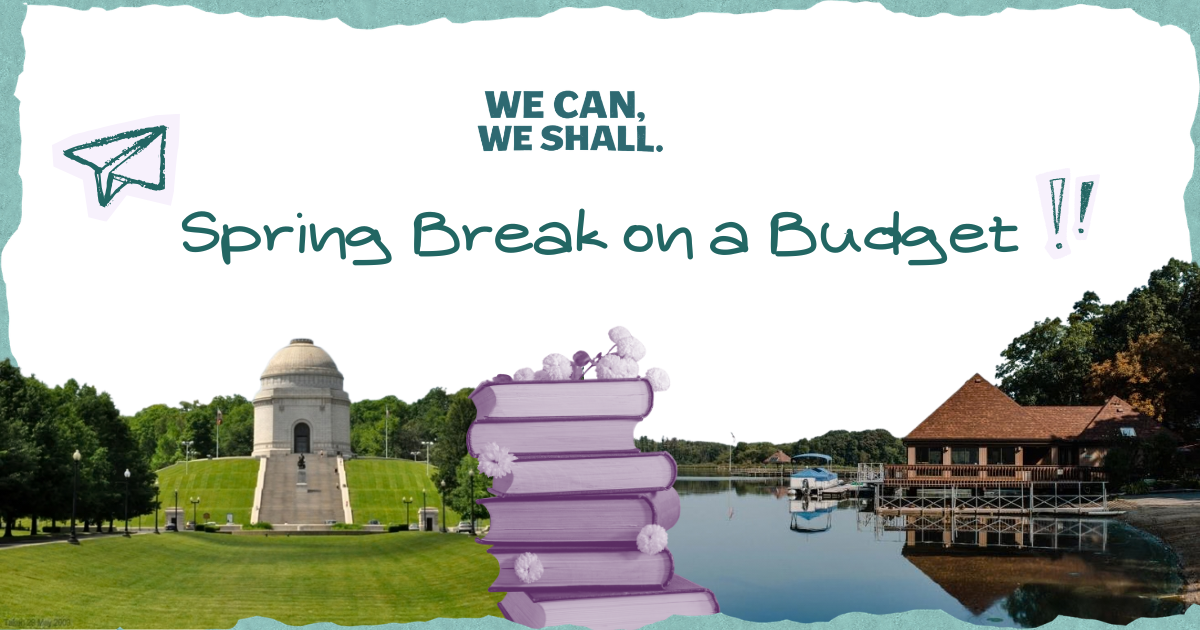
Spring Break on a Budget: Free Things to Do with Kids in Canton, Ohio
Spring break can feel like a gift and a challenge all at once.
For kids, it’s a break from routine, a chance to rest, play, and explore. For caregivers, especially those balancing work, tight budgets, or limited support it can bring added pressure: How do I keep my kids engaged without spending money we don’t have? How do I make this week feel special when resources are stretched thin?
At We Can, We Shall (WCWS), we want to say this clearly and gently: you are not failing if your spring break is simple. In fact, some of the most meaningful moments kids carry with them come from connection, creativity, and unstructured time, not costly activities.
This guide is here to support families and community partners alike with free, accessible ways to make spring break meaningful in Canton, Ohio, while honoring dignity, choice, and the realities many families face.
Free Things to Do with Kids in Canton, Ohio
Canton and the surrounding Stark County area offer more free, family-friendly resources than many people realize. These spaces are built for community, learning, and exploration and they belong to all of us.
Explore Local Parks & Outdoor Spaces
Spending time outdoors supports physical health, emotional regulation, and confidence, especially for kids who benefit from movement and sensory input.
Some free outdoor options include:
Sippo Lake Park
A favorite for families, Sippo Lake offers walking trails, open green space, and opportunities for kids to observe nature, birds, and seasonal changes. A simple walk can turn into a scavenger hunt or a quiet moment to decompress.McKinley Park
Located near the Pro Football Hall of Fame area, this park is ideal for open play, picnics, and letting kids move freely.Stark County Metro Parks
The broader Metro Parks system offers multiple free-access parks with trails, open fields, and educational signage—perfect for families who want variety without cost.
Outdoor play helps kids release pent-up energy, regulate emotions, and build confidence through exploration. It also gives caregivers a break from structured planning—sometimes the best plan is no plan at all.
Visit the Library (More Than Just Books)
Libraries are one of the most underappreciated free resources for families.
Stark County District Library
Local branches offer:Free children’s programming
Reading challenges
Quiet spaces for homework or independent reading
Craft stations and activity kits (availability varies by branch)
Even when no formal program is happening, simply letting kids browse books, sit in a calm environment, or read together builds literacy and emotional safety.
Pro tip:
Let kids choose their own books, even if they pick the same one over and over. Choice builds autonomy and confidence.
No-Cost, At-Home Spring Break Activity Ideas
Not every day needs to be filled with outings. Staying home can be just as meaningful—especially when kids are invited to co-create the experience.
Creative Play Without Supplies
You don’t need craft kits or fancy materials to spark creativity.
Paper challenges: Draw a map of your neighborhood, invent a new animal, or create a comic strip
Recycled art: Use cardboard boxes, paper towel rolls, and old magazines
Story building: Take turns adding a sentence to a made-up story
Creative play strengthens problem-solving skills and emotional expression—especially for kids who may not always have the words for how they feel.
Movement & Body-Based Games
Movement helps regulate the nervous system and reduce stress—for kids and adults.
Free ideas include:
Living room dance parties
Freeze dance or follow-the-leader
Indoor obstacle courses using pillows and chairs
Yoga or stretching together (kids love leading!)
Even 10–15 minutes of movement can shift the tone of the day.
Learning Through Daily Life
Learning doesn’t stop just because school does—and it doesn’t have to look like worksheets.
Cooking together builds math and sequencing skills
Sorting laundry supports categorization and responsibility
Talking through daily routines strengthens communication and emotional intelligence
Kids learn best when they feel included, not instructed.
The Power of Unstructured Time
In a world that often pressures families to stay busy and productive, unstructured time is a gift.
When kids aren’t overscheduled, they:
Learn to entertain themselves
Build creativity and independence
Practice emotional regulation
Strengthen confidence through self-directed play
It’s okay if kids feel bored sometimes. Boredom often leads to imagination.
What Kids Actually Remember
Here’s something we want families to hear clearly:
Kids don’t remember how much money was spent. They remember how they felt.
They remember:
Being listened to
Laughing together
Feeling safe and seen
Having time with adults who cared
Spring break doesn’t have to look perfect to be meaningful. Connection is the memory-maker.
A Gentle Reminder
If this spring break feels quieter, simpler, or less “Instagram-worthy” than others, that’s okay.
You’re doing enough.
Your presence matters.
Your care counts.
And if you need support, community exists, right here in Canton.
We Can, We Shall is honored to walk alongside families, caregivers, and partners as we continue building a community where youth feel supported, valued, and empowered, during spring break and beyond.
If you’re a local organization, educator, or partner interested in collaborating or sharing resources, we’d love to connect. Together, we make support visible, and accessible for all.
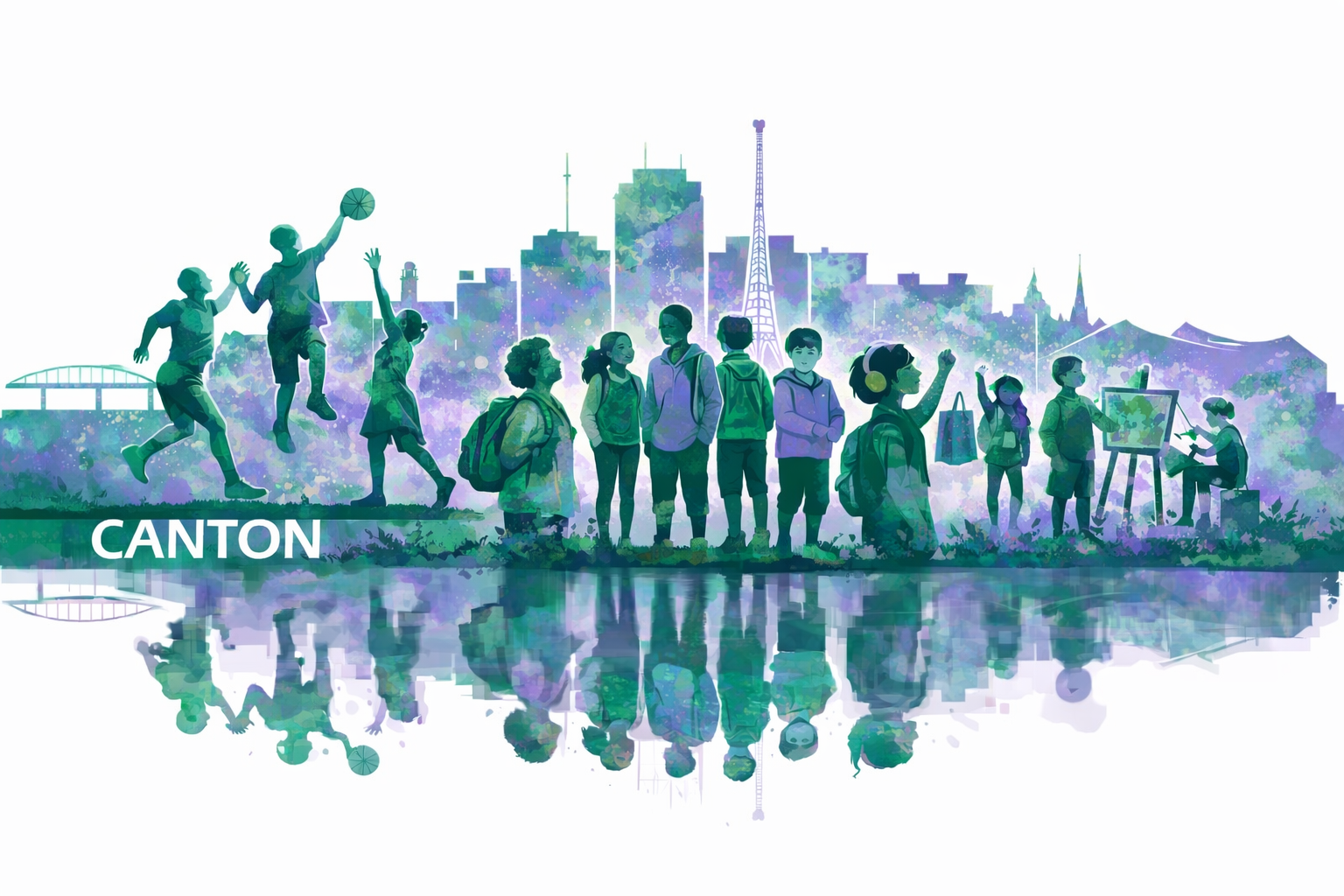
Showing Up Changes Everything: The Launch of We Can, We Shall
It All Begins Here
CANTON, OHIO March 1, 2026 - On March 1, a new nonprofit will officially launch in Canton with a bold and deeply human mission: restore dignity to young people ages 10 to 21.
The organization is called We Can, We Shall, and its founder, Savanah Muntean, speaks about youth not as a social problem to fix but as a generation to believe in.
“Dignity,” she says, “is about finding out who you are. These are precious ages where people are becoming who they are. These are the founding blocks. This is how we change the future.”
“The Kids Are Not a Priority.”
When asked what inspired her to start We Can, We Shall, Muntean does not hesitate.
“What inspired me was just my own personal experience with my kids and living in community,” she explains. “I see the interactions every day. And if it is not football or sports, there is nothing really for the kids who are just your average day kids.”
In many communities, extracurricular opportunities are tied to money. Travel teams. Equipment fees. Uniforms. Gas. Time.
“If their parents do not have enough money for sports, or they are just not into it, then what?” she asks. “How are we going to uplift them? How are we going to build a stronger society if we do not support them in different ways?”
Her voice sharpens slightly.
“The kids are not a priority.”
The Critical Window Why Age 10 Matters
Muntean believes identity formation becomes especially fragile around age ten.
“By third or fourth grade, kids are aware,” she says. “A kindergartener still wants to please mom and dad. But by ten, that is when they start noticing.”
Noticing clothes.
Noticing hygiene.
Noticing who fits in and who does not.
“Think about it,” she says. “In kindergarten, if a kid is messy, no one really cares. But by third grade, it becomes ‘Why does he not brush his hair? Why does she not have the right clothes?’ That is when it starts. That is when it influences you.”
And once shame enters the picture, dignity quietly exits.
Breaking the Forced Gratitude Stigma
One of the most striking phrases Muntean uses is this.
“The biggest stigma we want to break is the forced attitude of gratitude.”
She pauses before continuing.
“Some programs just give kids things and say, ‘You should be grateful.’ But if we are only giving the bare minimum, what have we really given them?”
She offers a practical example.
“Some kids need that $15 shampoo. Not the dollar store kind, the one that actually works for their hair type. It sounds small, but it is not small to them.”
We Can, We Shall is intentionally individualized.
“How good does it feel to express your individuality?” she asks. “That is dignity.”
The Shopping Trips That Changed Everything
Muntean recounts one of her earliest pilot experiences taking a group of girls to the mall.
“They were so happy,” she says. “They were able to get sized properly for bras and they fit. Some of them left the store wearing their new ones. That is how proud they were.”
The transformation was not about retail therapy. It was about self worth.
“They were budgeting. Looking at tax. Asking, ‘How much do I have left?’ They were managing money and choosing things that mattered to them.”
Boys experience this too.
“Maybe it is a sweatband. Maybe it is a Nike ski mask. Maybe it is specific underwear they want. It might sound silly to us. But it is not to them.”
She adds candidly.
“I am not buying you a $35 ski mask when I have bills. But to them, that might be the one thing that makes them feel like they fit in.”
More Than Handouts Showing Up
At the heart of We Can, We Shall is mentorship.
“The energy is real when someone shows up for you,” she says. “My son’s mentor comes to his basketball games. That matters. It makes him feel worthy.”
Worth showing up for.
Worth investing in.
Worth believing in.
The organization plans to recruit aligned volunteers and mentors who understand dignity.
“As long as they align with our mission, vibe, and culture, that is what matters most.”
First Friday Changing the Narrative in Canton
In Canton, monthly First Friday events draw large crowds including hundreds of teens.
“They have all this pent up energy,” Muntean explains. “Nothing to do all summer. Then they come to First Friday, and if something goes wrong, people say, ‘The kids ruin everything.’”
Instead of curfews and exclusion, she offers another solution.
“Let us give them something to do.”
Capture the flag.
Basketball tournaments.
Dance battles.
Picnic and paint sessions for quieter kids.
“Bring back those things,” she says. “Imagine a bunch of teenagers outside playing capture the flag.”
When young people are engaged, they are not a nuisance. They are a force.
A Back to School Vision 100 Kids, $100 Each
For fall 2026, Muntean has set an ambitious goal.
Provide 50 to 100 children with $100 gift cards guided by mentors to purchase items that matter to them.
“They will have their name on it,” she explains. “We will have volunteers go with them. Not to tell them what to buy, but to guide them.”
No PlayStation games.
No candy sprees.
“It needs to be something for you,” she says. “Something that builds you.”
Beyond Canton A Statewide and National Vision
While the March 1 launch begins in Canton, expansion is already in motion.
“I plan on doing all of Ohio,” Muntean says. “Cleveland. Columbus. Dayton. Alliance.”
Beyond that?
“We have partnerships in Philly, California, Florida. This program is not limited to Ohio.”
Wherever communities struggle with overworked parents, limited resources, and youth who feel unseen, the model applies.
“There are kids everywhere that need help.”
Something to Look Forward To
Muntean paints a simple but powerful picture.
“Imagine you had a terrible day at school. You failed a test. You go home and you are in trouble. Everything feels bad. But today is our We Can, We Shall group.”
She pauses.
“You have something to look forward to.”
In Ohio, that might mean pumpkin patches, sled riding, camping trips, haunted houses, or even a celebration at Cedar Point.
But beyond events, it means belonging.
Giving Back Not Just Receiving
Muntean insists this program is not about kids taking.
“We are going to do things for the community too,” she says. “Plant flowers. Visit nursing homes. Ask them what they want to give back.”
Dignity is not only receiving support. It is contributing.
“Maybe their grandma is in a nursing home and would love kids to visit. We can do that.”
March 1, 2026 A New Chapter for Canton
We Can, We Shall launches March 1 with open lines of communication for families, youth, volunteers, and donors.
The mission is clear.
Restore individuality.
Replace shame with support.
Show up consistently.
Break the cycle.
“We are here to better relationships,” Muntean says. “Little things matter. The flowers we plant. The promises we keep.”
And perhaps her most powerful line of all.
“We can. We shall.”
For Canton’s youth, that is not just a name.
It is a promise.